The Psychology Behind Casino Design
Modern casinos employ a multitude of psychological triggers to create an environment that encourages players to spend more money. The use of lighting, sound, and layout plays a crucial role in how patrons perceive time and money. For instance, flashing lights and upbeat music can create a sense of excitement, while the absence of windows and clocks distorts the perception of time. Players often lose track of how long they have been gambling, especially when they are engaged in an online casino experience, leading to extended play sessions and increased losses.
Additionally, the layout of a casino is strategically planned to maximize foot traffic to high-stakes games and slot machines. Casinos often use a circular layout to guide players through various gaming areas without a clear exit in sight. This design encourages wandering and exploration, further entrenching players in the gaming experience. As individuals get engrossed in the atmosphere, their capacity for rational decision-making diminishes, making it easier for them to overlook their spending limits.
The overall goal of such design is to foster an extended engagement that potentially leads to significant financial losses. It’s not merely about the games played, but the environment created that invites individuals to forget about their finances. Casino designers understand that a well-crafted ambiance can manipulate emotions, leading to impulsive decisions that result in higher losses for players.
The Role of Reinforcement in Gambling
Reinforcement methods are often employed in casinos to encourage repeated play and increase the likelihood of losses. For example, occasional wins, even small ones, can trigger dopamine releases, creating a cycle of reinforcement that keeps players coming back for more. The thrill of winning, even if rare, can overshadow the reality of their overall losses. This mechanism is akin to how slot machines operate, where players experience bursts of excitement from intermittent payouts.
Moreover, casinos often provide players with complimentary perks such as free drinks, meals, and accommodations, further incentivizing them to stay longer and spend more. These rewards may seem like a generous gesture, but they are actually calculated strategies intended to enhance the gaming experience while simultaneously driving up costs. The idea is to create an environment where players are more likely to remain engaged, sometimes at the expense of their wallets.

This reinforcement strategy not only applies to individual players but also to loyalty programs that incentivize frequent visits. Many casinos offer tiered loyalty systems where the more one plays, the more benefits they accrue. While players may perceive these rewards as advantageous, they often fail to realize that the casino is banking on their continued gambling habits, which ultimately leads to increased losses. Each visit becomes a calculated gamble, with the house always holding the upper hand.
The Impact of Technology on Gambling Losses
Advancements in technology have transformed how modern casinos operate, often in ways that heighten the potential for player losses. For instance, the emergence of online gambling and digital slot machines has made it easier for players to gamble without the typical social barriers present in physical casinos. This ease of access can lead to increased gambling frequency and a corresponding rise in losses, as the barriers to setting limits become blurred.
Additionally, algorithms and data analytics are used to create personalized gaming experiences, targeting players with tailored offers that encourage more spending. By analyzing player behavior, casinos can identify patterns and tweak their offerings to entice individuals to wager more. This level of customization can make players feel special, yet it is, in essence, a calculated tactic to maximize profit through increased player engagement.
Moreover, features like auto-play and quick spin options in digital gambling systems can exacerbate the risk of losing larger sums in shorter time frames. Players may find themselves rapidly engaging in betting without fully contemplating their financial limits. Technology has thus created an environment where the traditional pacing of gambling is accelerated, leading to quicker losses and a diminished capacity for self-regulation in financial management.
The Illusion of Control in Gambling
Casinos often exploit the illusion of control that many players feel when participating in games of chance. Games like poker, where skill and strategy can influence outcomes, lead players to believe they have agency over their winnings. Even in games that are purely chance-based, players often devise strategies to convince themselves that they can predict or influence outcomes, despite the reality that the odds are heavily weighted in favor of the house.
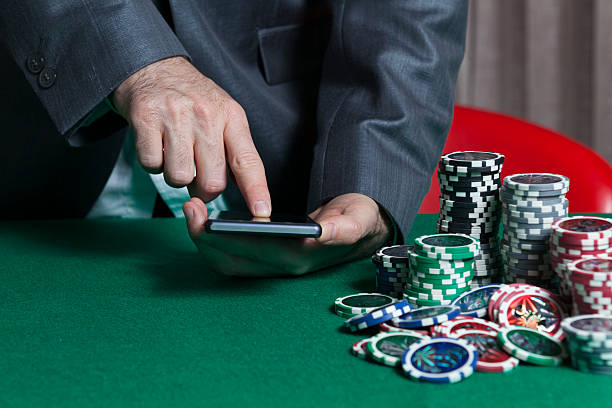
This false sense of control can result in players making irrational decisions, such as increasing their bets in pursuit of recouping losses. This behavior is often referred to as «chasing losses,» where individuals are led by emotion rather than logic. Casinos take advantage of this psychological phenomenon to encourage further betting, as players become increasingly desperate to regain their losses. The more one believes they can control the outcomes, the more susceptible they are to further financial setbacks.
Furthermore, the promotional campaigns that casinos utilize can perpetuate this illusion. By framing games as battles of skill or chance combined with strategic betting, they enhance the belief that one can outsmart the system. This narrative invites players to invest more time and money into their gambling pursuits, ultimately leading to an increased likelihood of loss, as the odds remain fundamentally unchanged irrespective of individual player belief.
Understanding Responsible Gambling Online
As the landscape of gambling continues to evolve, so too does the emphasis on promoting responsible gambling practices, especially in the online sphere. Many gaming websites are now introducing features designed to help players manage their spending habits. These may include tools like deposit limits, self-exclusion options, and time-out features that enable users to take a break from gambling. By integrating these tools, online gambling platforms make strides towards fostering a more responsible gaming environment.
However, it is essential for players to remain aware of the inherent risks involved in gambling, even with these responsible practices in place. Understanding the house edge, recognizing the signs of gambling addiction, and setting personal limits are paramount steps that each individual should take. Responsible gambling should be viewed not only as a requirement from the operator’s side but as a personal commitment from players to manage their gaming habits sensibly.
Ultimately, while casino designers aim to create an enticing atmosphere for entertainment, it is crucial for players to engage with a clear understanding of the odds and the psychological tactics at play. By educating themselves and employing responsible gambling practices, individuals can enjoy gaming as a form of entertainment without falling prey to the traps set by casino designs aimed at maximizing losses.