The concept of luck in gambling
Luck is often regarded as a significant factor in the outcome of casino games. In many gambling scenarios, players place their bets based on an unquantifiable hope for good fortune. This belief stems from the unpredictable nature of games involving chance, such as slot machines and roulette. Players frequently recount stories of extraordinary wins, attributing these experiences to luck, which creates a captivating allure for both novice and seasoned gamblers. Many are drawn to options like neosurf casino instant withdrawal as they explore the various ways to enhance their gaming experience. This dynamic not only fuels the excitement of the games but also cultivates a unique culture surrounding gambling, where tales of luck become part of the shared experience among players.
The psychology of luck plays a critical role in how individuals approach gambling. Many players believe that their chances of winning can be enhanced through ritualistic behaviors, like wearing lucky clothing or engaging in specific pre-game routines. These practices, while not backed by statistical evidence, highlight the deep-rooted desire for control over random outcomes. This interplay between behavior and luck underscores the emotionally charged environment of casinos, where anticipation and excitement are fueled by the potential for serendipitous success. The belief in luck often transforms a simple game into a personal journey filled with hope and expectation.
In the realm of games that involve skill, such as poker, luck still influences outcomes. Players may employ strategic decision-making to improve their odds, yet the randomness of card drawing can swing the result significantly. This combination of skill and chance embodies the essence of gambling—where even the most adept players cannot escape the whims of luck. Consequently, luck not only shapes the experience but also determines the ultimate success of players at various casino games. Understanding the nuances of luck can help players appreciate the complex nature of gambling, where fortune and strategy coexist in a delicate balance.
The impact of luck on player psychology
The relationship between luck and player psychology is complex and multifaceted. Winning streaks can elevate a player’s mood and confidence, leading them to believe that their luck will continue. This phenomenon is often referred to as the «hot hand» effect, where past successes can create an illusion of consistent winning ability. Players might increase their bets or play longer than intended, believing that they are on a winning path fueled by luck, which can lead to both great wins and heavy losses. Such psychological dynamics illustrate how deeply luck influences the gambling experience and the decision-making process of players.
Conversely, the influence of perceived bad luck can be equally powerful. When players encounter a series of losses, feelings of frustration and helplessness can set in. This can lead to behaviors such as chasing losses, where players continue to gamble in hopes of reversing their fortunes. Such emotional responses highlight the psychological stakes involved in gambling, demonstrating how luck can dramatically shift not just the financial outcomes, but also the mental health of players. Understanding this relationship is crucial for both players and casino operators who seek to create a supportive gaming environment.
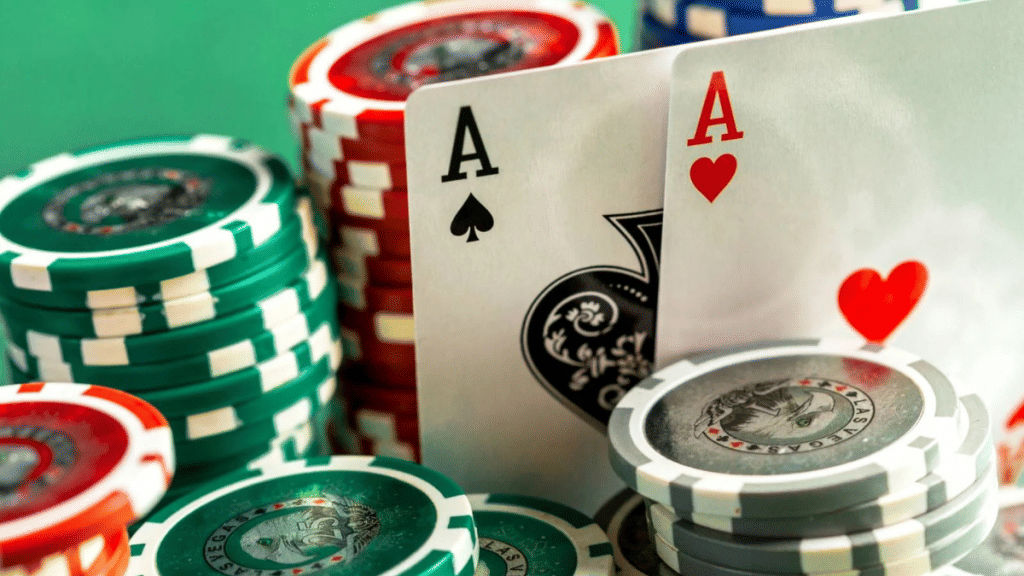
Moreover, casinos often play into the notion of luck to enhance the gaming atmosphere. Bright lights, engaging sounds, and celebratory cues during wins create an environment where luck feels attainable. This carefully crafted ambiance can manipulate player perceptions, leading them to believe in the possibility of winning. For instance, the sound of coins cascading in a slot machine or the cheers of fellow players can amplify the feeling that luck is on their side. Understanding the psychological dynamics of luck helps illuminate why players are drawn to casinos, despite the inherent risks and unpredictable nature of gambling outcomes.
The role of luck in casino games
Different casino games exhibit varying degrees of reliance on luck. For instance, games like slots and roulette are primarily luck-based, relying on random number generation and chance rather than player skill. The outcomes of these games are determined solely by luck, making them appealing to those who prefer a straightforward gambling experience without the need for strategic thinking. In such games, luck dictates the excitement and potential payout, which is why many players are drawn to them. This allure of unpredictability serves as a major attraction, as players hope to strike it rich with a single spin or roll.
On the other hand, games such as blackjack and poker involve a blend of strategy and luck. In blackjack, players employ various strategies, such as card counting or optimal betting patterns, to improve their odds against the dealer. However, the randomness of the card draw means that luck can still play a pivotal role. In poker, while skill and strategy are paramount, the luck of the draw can significantly impact a player’s success. This interdependence of luck and strategy creates a unique dynamic that keeps players engaged and invested, as they navigate the intricate dance of chance and skill in their decision-making.
Ultimately, the variance in the role of luck across different games illustrates the diverse experiences players encounter in casinos. While some may revel in the thrill of pure luck, others may seek out games where skill can mitigate the randomness. This nuanced understanding of luck’s role in various games enhances the overall casino landscape, providing players with choices that align with their gambling preferences and philosophies. Whether players prefer high-stakes poker or the simplicity of slot machines, luck remains a constant companion on their gaming journey.
Strategies to manage luck in gambling
While luck is an inherent aspect of gambling, players can adopt strategies to manage its impact on their gaming experience. Setting a budget before playing is one of the most effective ways to ensure responsible gambling. By establishing a limit on how much money they are willing to risk, players can enjoy the entertainment of gambling without succumbing to the adverse effects of chasing losses brought on by perceived bad luck. This approach not only fosters a more enjoyable experience but also helps players maintain better control over their gambling habits.

Additionally, players can employ a strategy of selective game choice, opting for games that offer favorable odds or a lower house edge. For instance, table games like blackjack often provide better chances of winning compared to games of pure luck, like slots. By being mindful of the games they choose and understanding their odds and house advantages, players can tilt the balance slightly in their favor, even amidst the unpredictability of luck. This informed decision-making can empower players, giving them a sense of agency in an otherwise random environment.
Lastly, practicing emotional regulation during gambling sessions can help players navigate the ups and downs of luck. Recognizing the thrill of the game as an emotional experience allows players to detach from the immediate highs and lows associated with winning or losing. This approach fosters a healthier gambling mindset, helping individuals appreciate the entertainment value of casino games while keeping their emotions in check amidst the unpredictability of luck. By cultivating resilience and a balanced outlook, players can enhance their enjoyment of the gaming experience while mitigating the potential negative impacts of bad luck.
The digital landscape of luck and casinos
The rise of online casinos has transformed the way luck plays a role in gambling. Players now have access to a wide array of games from the comfort of their homes, often with unique features and enticing bonus offers that enhance the experience. The digital environment has also introduced advancements such as RNG technology, which ensures that outcomes are random and fair, reinforcing the concept of luck in online games. This transparency can bolster player confidence in their gaming choices, as they engage in games that adhere to strict regulations and fairness protocols.
Moreover, online casinos utilize gamification and various methods to engage players, making the role of luck even more prominent. Features such as progressive jackpots and daily bonuses create an atmosphere where luck feels particularly influential. As players spin the reels or place their bets, they are constantly reminded that a single stroke of fortune can lead to life-changing payouts, heightening the thrill of the online gambling experience. The interactive nature of online platforms allows players to immerse themselves in a world where luck and excitement are just a click away.
However, the digital landscape also brings challenges regarding responsible gaming. The anonymity and convenience of online gambling can lead to impulsive behavior, often driven by the belief that luck will eventually turn in their favor. Players must remain vigilant and adopt strategies for managing their time and budgets, ensuring that their online gaming remains enjoyable and within safe limits while respecting the unpredictable nature of luck. By fostering a culture of responsible gaming, both players and operators can work together to create a safe and enjoyable gambling environment in the digital age.